MM logo white 1
MM logo red
Image description is not available

How does an air purifier clean the air in your home?

Bram1 APRIL 2026
A woman in pyjamas sits on her bed using a laptop, her happy dog stretched out beside her while a small air purifier runs quietly in the bright room.

An air purifier cleans the air in your home by filtering out dust, pollen, smoke particles and other small pollutants. But what exactly does an air purifier do and how does the device work? Here you can find out how an air purifier purifies the air, when it’s useful to have one in your home, and how to get the most out of it.

What are the benefits of an air purifier?

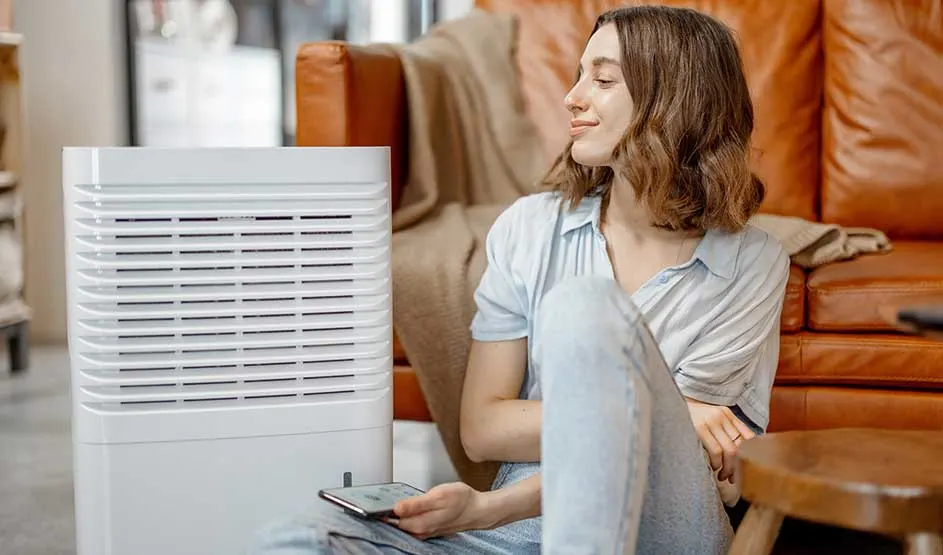
Woman sits relaxed on the floor by a brown leather sofa, smiling towards a white air purifier beside her, loosely holding her smartphone.

The air in your home often contains more particles than you might think. Consider dust, pet hair and pollen, but also cooking smells or smoke particles that linger in the room. An air purifier helps remove this pollution from the air and improves indoor air quality. If you suffer from allergies, you’ll notice the difference even more. For a noticeable result, it’s best to run an air purifier for several hours a day. If you let it run continuously on a low setting, the air in your home will remain constantly filtered. At home, an air purifier offers the following benefits:
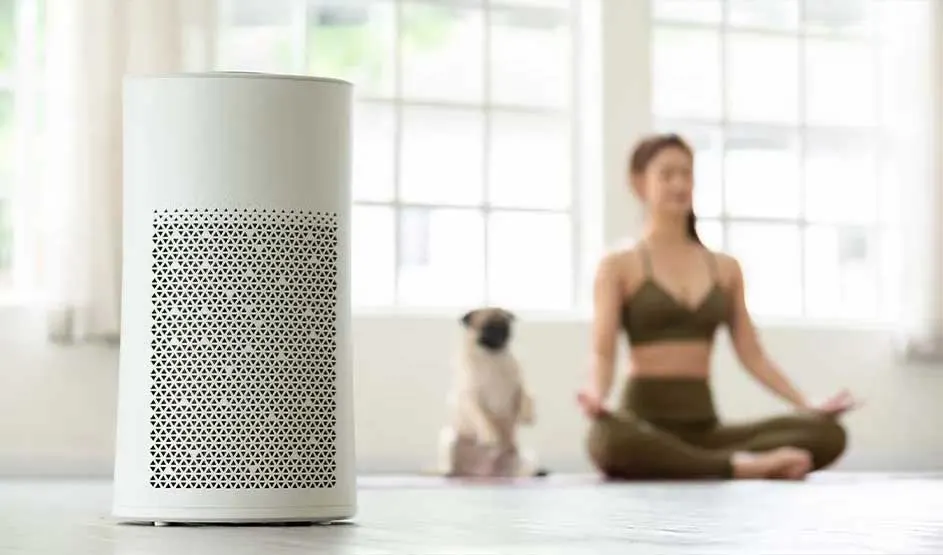
White air purifier stands in the foreground, while in the background a woman in sportswear sits in a yoga pose with her small dog beside her.
  • Reduces the amount of fine dust and other small particles you breathe in every day.
  • Helps to reduce symptoms of allergies such as hay fever or dust allergy.
  • Improves air quality, which contributes to a better night’s sleep and your overall wellbeing.
  • Neutralises odours from, for example, cooking, smoke or pets.

The best air purifiers

How an air purifier works – explained

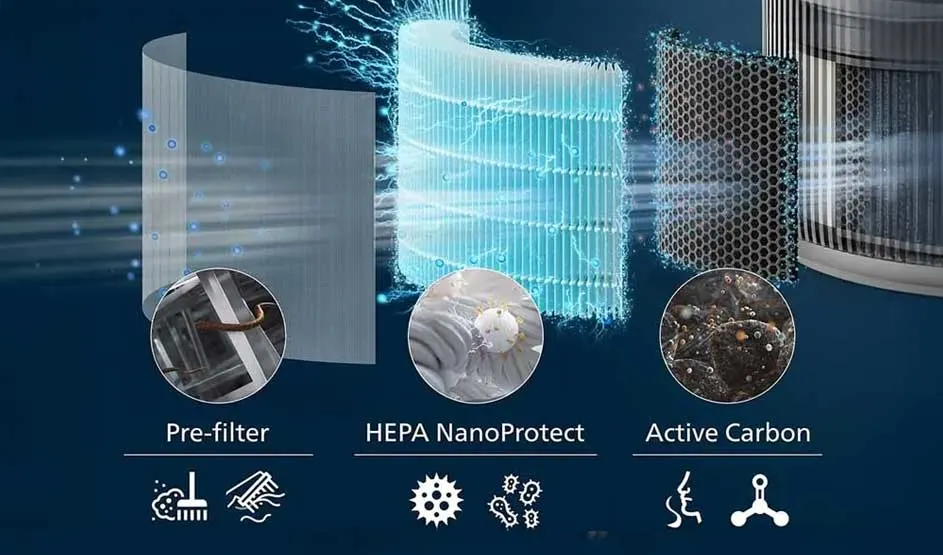
An air purifier works by drawing air from the room and passing it through various filters. Inside the device, there is a fan that sets the air in motion. The air then flows through several filter layers, each of which captures different particles from the air, from pet hair to ultra-fine dust that is barely visible to the naked eye. After that, the device blows the clean, filtered air back into the room.

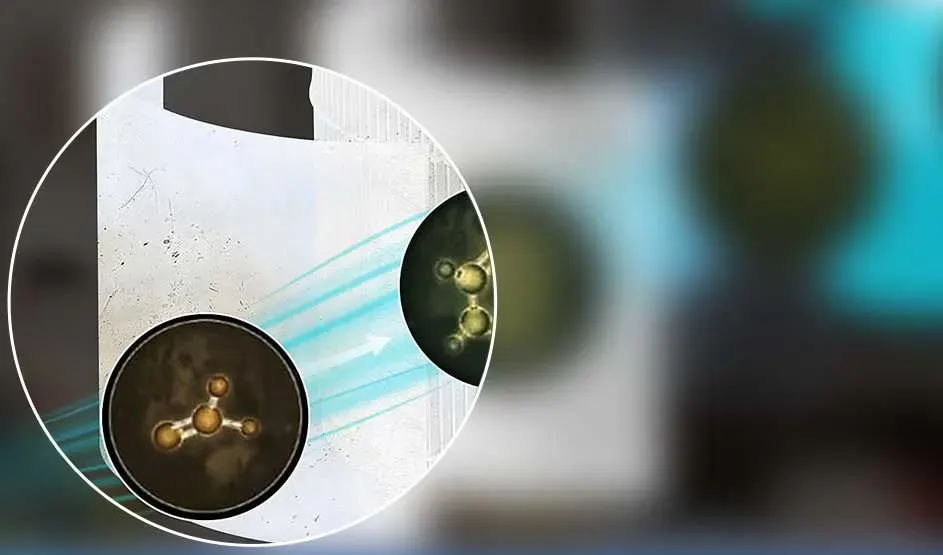
Blue airflow passes a filter, with a zoomed circular detail showing golden molecule-like particles being captured and removed from the air.

Pre-filter

The pre-filter is the first filter layer in an air purifier. This filter captures larger particles from the air, such as dust, hair and fluff, before the air reaches the finer filters. As a result, those filters become clogged less quickly and continue to work more efficiently.

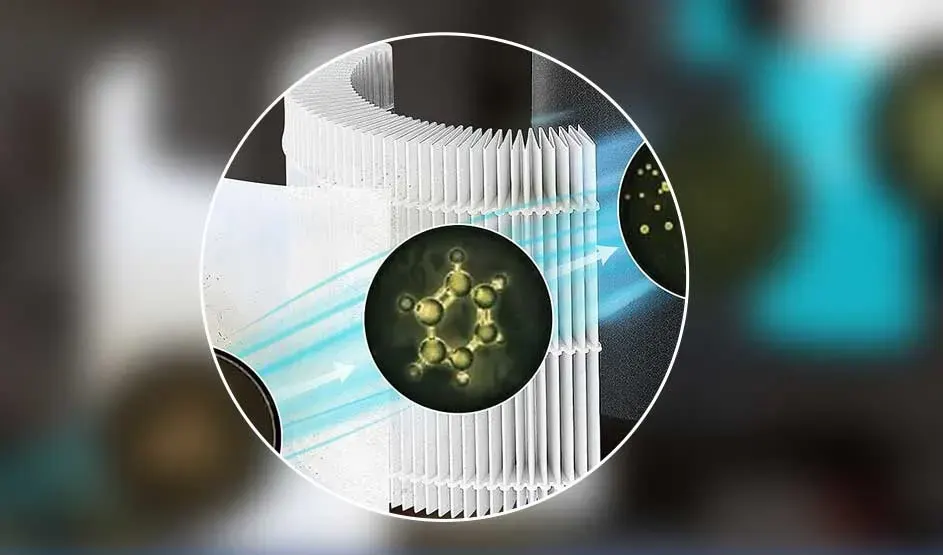
Blue airflow passes a white pleated filter, while the zoomed circle shows golden molecule-like particles being trapped inside the filter.

HEPA filter

HEPA stands for High Efficiency Particulate Air. A HEPA filter is designed to remove very small particles from the air, such as fine dust, pollen, mould spores and smoke particles that can remain suspended in the air for a long time. This means your air purifier also filters particles that you can’t see with the naked eye.

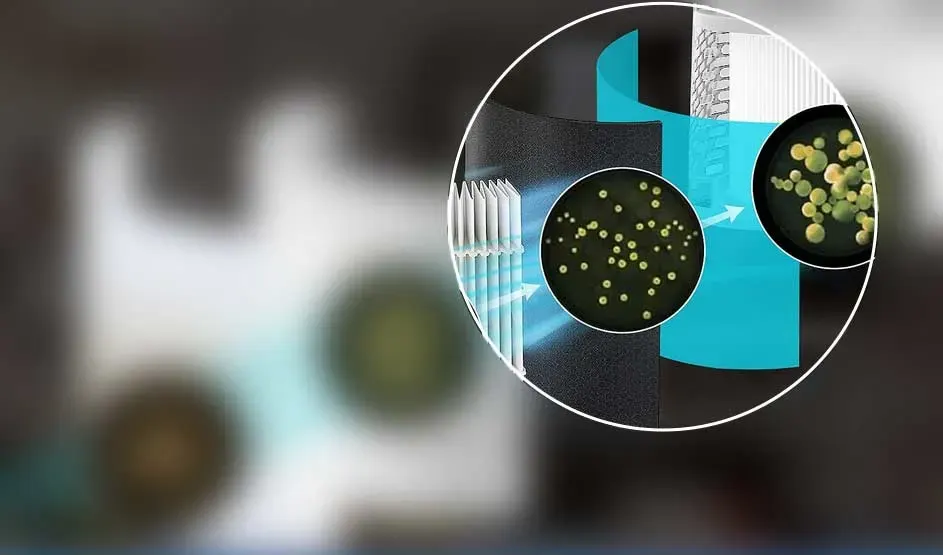
A blue airflow moves past several filters; in the zoomed circle many green particles are shown being captured and held inside the material.

Activated carbon filter

The final filter the air passes through is the activated carbon filter. This filter targets odours and gases. The porous structure of the carbon absorbs cooking smells, smoke and volatile chemical substances from the air. As a result, it helps to reduce unpleasant odours in your home.

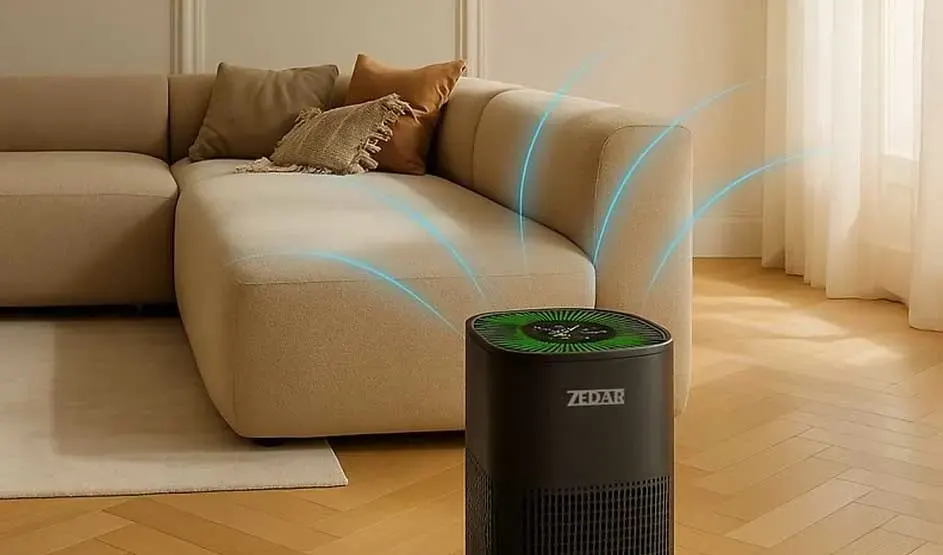
In a cosy living room a black air purifier with green top blows out clean air, shown as blue streams gently curving toward the beige corner sofa.

Blowing clean air back into the room

After the air has passed through the various filters, the air purifier blows the filtered air back into the room. Because the device constantly repeats this process, the air in the room keeps circulating and any new pollution is continuously filtered out of the air.

How long should an air purifier run for good results?

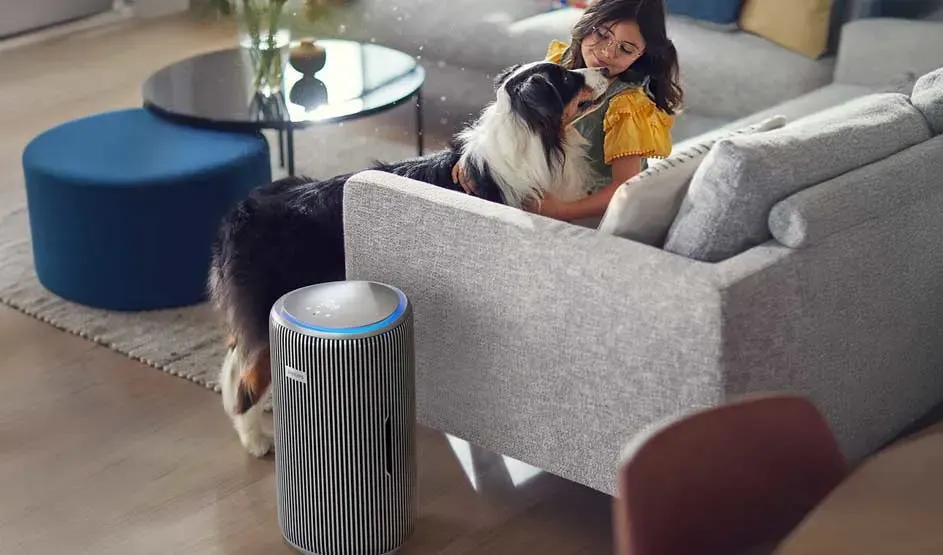
A girl on a sofa cuddles a large dog, while a tall cylindrical air purifier stands in front of the couch in a modern living room.

How long you should run an air purifier mainly depends on your circumstances. During pollen season, when there’s construction causing extra dust, if you have pets, or in dry weather when there are more dust particles in the air, it’s useful to run your air purifier more often or for longer. If you suffer from allergies, it’s also a good idea to switch it on more frequently.

The size of the room and the capacity of the device also play a role. If you want to purify the air in a larger space, you’ll need a more powerful unit. If you use a lower speed, it will take longer for all the air to be filtered. For the best results, let your air purifier run during the day on a normal or higher setting. At night, you can switch to sleep or quiet mode, so the air is still filtered while you sleep peacefully.

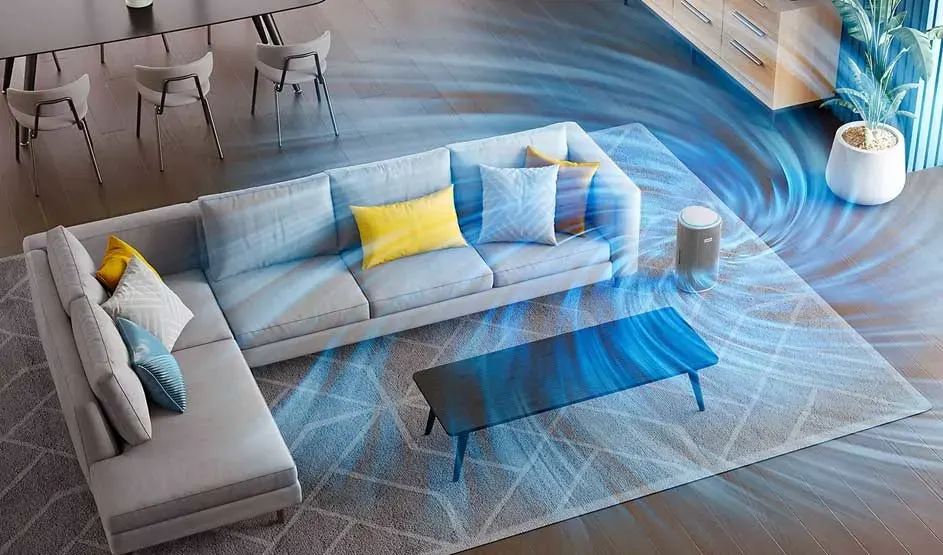
Blue airflow swirls through a modern living room around a grey corner sofa with yellow cushions and a compact air purifier standing by the rug.

In most situations, an air purifier works best when it’s left on for a longer period of time. This way, the air in the room continues to circulate and new particles are immediately filtered out of the air.

What to look for when choosing an air purifier?

Advice on air purifiers for your home

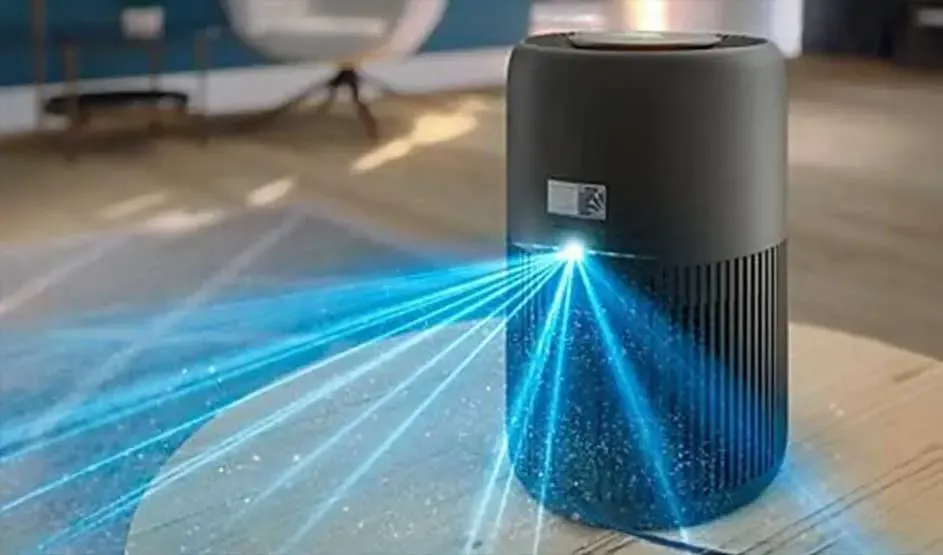
Black air purifier on wooden floor projects bright blue beams fanlike into the room, visualising how it spreads cleaned, fresh indoor air.

At MediaMarkt, you’ll find air purifiers in various forms, from budget-friendly and compact models for the bedroom to larger devices that also dehumidify, humidify and cool the air for better climate control. Some models are also equipped with an ioniser, which causes electrically charged particles to clump together so they can be filtered out of the air more easily.

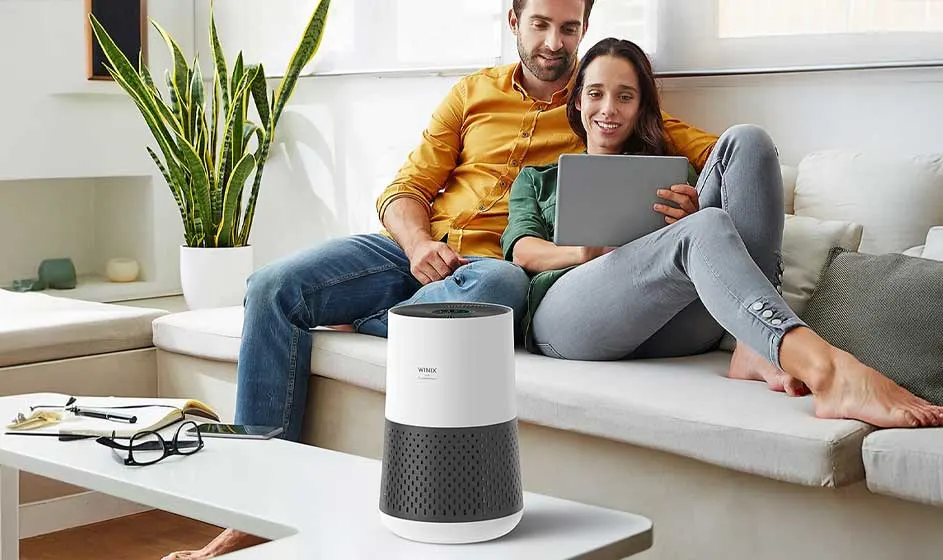
A couple relax on a bright sofa sharing a tablet, while in the foreground a compact white air purifier quietly cleans the room’s air.

An air purifier cleans the air in your home by constantly circulating it through different filters. Larger particles are captured first, after which finer filters remove smaller particles from the air, such as fine dust, pollen and smoke. For the best results, you should run an air purifier regularly. At night, you can opt for a lower setting.

Pros of an air purifier with ioniser

Frequently asked questions

These articles might also be of interest to you