MM logo white 1
MM logo red
Image description is not available

Moving your fridge in 6 steps

Amina11 MARCH 2026
Two movers transport a stainless steel refrigerator on a dolly in a kitchen and room with white paneled walls.

Are you moving house and want to take your fridge or fridge-freezer with you? Then it’s important to transport the appliance carefully and safely, so it arrives in one piece at your new home. MediaMarkt explains what to look out for when moving your fridge and which steps you can follow.

Step 1. Switch off your fridge

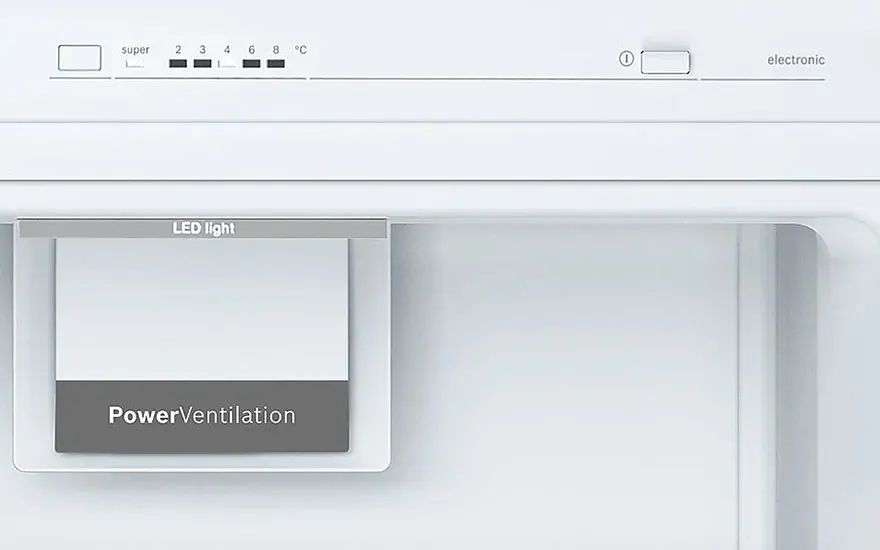
Close-up of a white refrigerator interior with temperature settings at the top and "PowerVentilation" label on a gray panel.

First switch off the fridge and unplug it from the socket. If your fridge has a freezer compartment, it’s best to switch the appliance off the evening before you move. That way, the freezer can fully defrost before you clean it. The fridge may leak water during this step. Don’t worry: this is simply meltwater from the fridge or freezer section. If necessary, place a few towels around the fridge to catch any puddles.

View all fridges

Step 2. Make sure your fridge is empty

A nearly empty white refrigerator with clear shelves is in the foreground. A brick wall is visible in the background.

Moving a fridge with everything still inside can lead to a big mess. So, empty your fridge (and freezer compartment, if applicable) completely straight after switching it off. If you plan well in advance, you can use up as many products as possible before you move. This means the fridge will be less full or even completely empty. You can temporarily store the rest of your groceries in a cool box with ice packs. Or put them in your friends’ or neighbours’ fridge or freezer for a short while.

Step 3. Clean your fridge

A white fridge with a yellow-gloved hand cleaning a white plastic drawer with a pink cloth.

After you’ve emptied it, you can clean the fridge. Remove all loose parts such as shelves and salad drawers and clean the inside of the appliance using some water and soap (or washing-up liquid). Clean the outside and the freezer compartment too, if there is one, using the same solution. Meanwhile, check whether the drain hole at the bottom of the fridge is still clean. If necessary, clean it with a cotton bud. Finally, dry the inside and outside of the fridge thoroughly.

Step 4. Remove the shelves and drawers from your fridge

An empty, all-white refrigerator with two glass shelves and multiple shelf slots is shown.

Remove the shelves and drawers from your fridge so you can transport them separately. If you followed step 3 of this plan, those loose parts will already be clean, so you can put them straight back into the fridge after the move. By taking the drawers and shelves out, you avoid them sliding around during transport and breaking or causing damage to the fridge. Do you find it easier to leave everything in place? Tape the shelves and loose compartments down with adhesive tape. Also secure the fridge door with a strap and tie up the fridge cable so it can’t snag on anything.

Step 5. Screw up the feet of your fridge

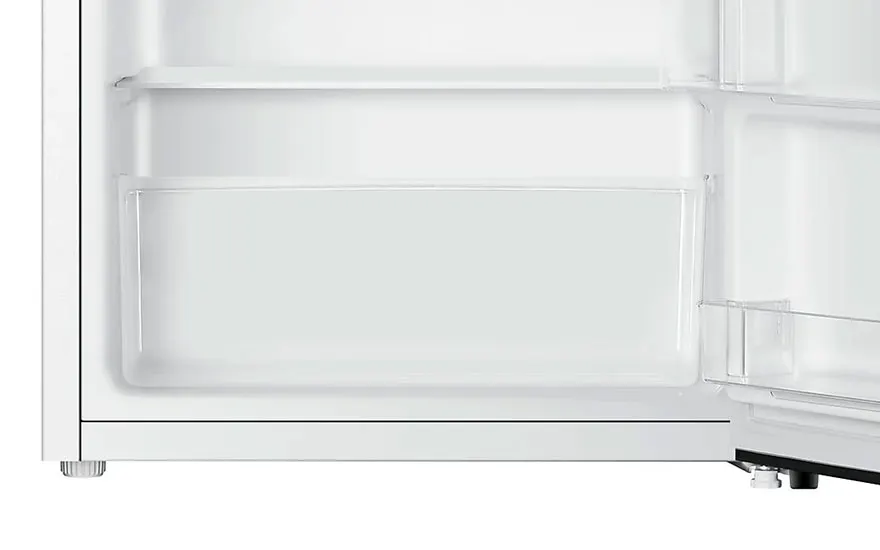
The image shows the interior of a white refrigerator. There are shelves and a door bin visible.

A fridge is often a large and bulky appliance. That’s why it’s not always straightforward to simply lift and move it. Luckily, most fridges have adjustable feet at the front of the appliance. Screw the feet up to make the fridge easier to lift and move. This makes it easy to get your sack truck under the fridge and reduces the chance of it scraping along the floor during the move.

Step 6. Make sure the fridge stays upright during transport

Two people carry a white box towards an open white van with a wooden interior.

It’s best to transport a fridge upright. If you transport the fridge lying down, the risk of damage is higher. The refrigerant can shift within the cooling system, and oil can even end up in the compressor. For a longer lifespan, it’s better not to lay your fridge flat during the move. If there’s really no other option, you can transport the fridge lying down or at an angle. In that case, wait 12 hours before switching it back on once it’s in place. This gives the refrigerant time to settle back into the correct position in the cooling system.

How long should a fridge remain switched off after moving?

A kitchen scene with a black fridge, white cabinets with a black countertop, and bottles in a wooden crate.

In principle, you can plug in and switch on a fridge immediately if you transported it upright. However, we recommend waiting around 4 hours before switching it back on. This gives the compressor oil enough time to settle, in case it shifted during transport or while carrying it up or down stairs. If your fridge was transported lying flat or at an angle, it’s better to wait longer. Stand the fridge upright again as soon as possible and only switch it back on after 8 to 12 hours in its new position.

What should you do if you switched the fridge back on too soon after moving it?

A refrigerator filled with food. Shelves display fruits, vegetables, and juice. An orange is being held.

If you switch your fridge back on immediately after moving it, it may make unusual noises. This mainly happens when the refrigerant is no longer in the right place and the fridge can’t circulate the fluid properly as a result. The fridge can even overheat and break down. So, if you hear a ticking or popping noise, it may well be that you switched the fridge back on too soon. In that case, switch the appliance off again as quickly as possible and leave it to rest for 8 to 12 hours so the refrigerant can settle back down.

These articles may also be interesting for you