MM logo white 1
MM logo red
Image description is not available

OLED vs. QLED: what are the differences, and which is best?

Anouk15 SEPTEMBER 2025
Two TVs display vivid landscapes. One shows green fields and a sunset. The other, snowy mountains under a starry sky.

During your search for a new TV, you will undoubtedly come across the terms OLED and QLED. At first glance, they look very similar – there is only one letter difference. But make no mistake: these 2 display technologies work completely differently and provide a completely different experience. What exactly is the difference between OLED and QLED? Which technology suits your needs? Let’s jump into that.

The difference between OLED and QLED explained

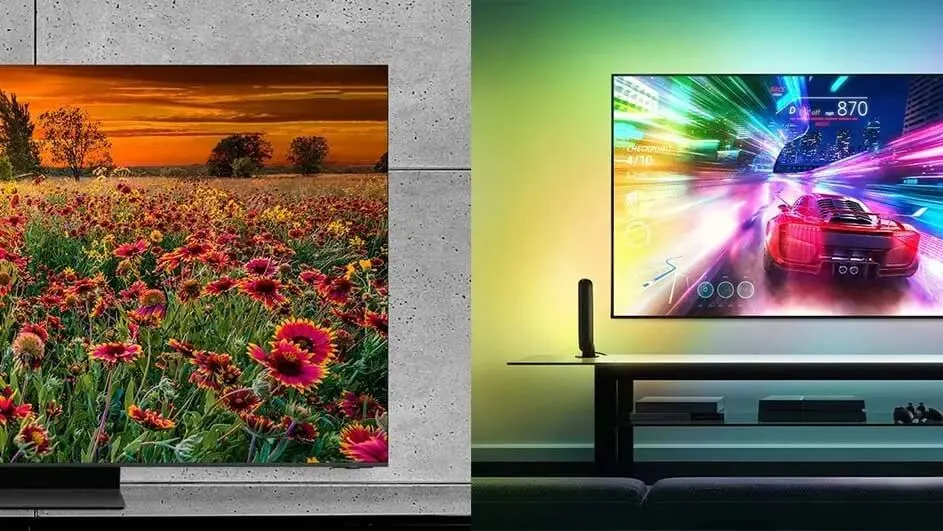
On the left, a TV displays a field of red flowers at sunset. On the right, a Philips TV shows a racing game with colourful lighting effects.

The difference between OLED and QLED is mainly in the contrast, the colours and how the image looks in different situations.

OLED TVs are the champion when it comes to contrast. Each pixel emits its light itself and can be switched off completely. As a result, you see impressively deep blacks, which is indispensable for movies and series with a lot of dark scenes. Imagine a starry sky, where you can clearly see every star twinkling, or an eerie face in the shadow of which you can see all the details. Moreover, the image remains nice and clear, even if you are not sitting directly in front of the TV. Extremely suitable for those who like to watch movies and series with the whole family or play exciting games.

QLED TVs score mainly on colour. Thanks to the special quantum dot technology, the colours pop off the screen. Whether you're watching cartoons, a thrilling football match or a nature documentary, the colours are always true to life, even in a room with plenty of sunlight. In addition, you won't be bothered by reflections on the screen as much.
What is an OLED TV?

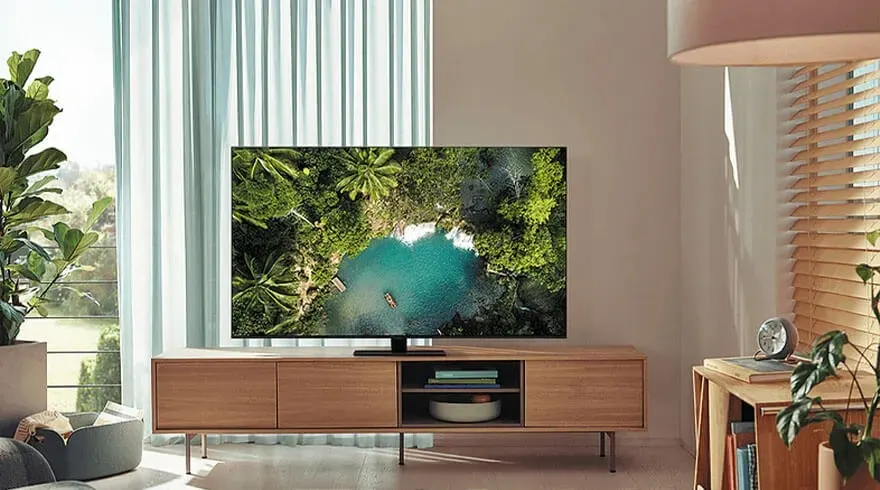
A TV displays a lagoon scene on a wooden cabinet. Curtains and plants frame the left, while blinds and furniture fill the right.

An OLED television uses OLED technology, where each pixel of the screen is controlled separately by an LED light. That means each pixel can light up individually, allowing every detail on the screen to be illuminated down to the pixel. In the same way, each pixel can be turned off individually, which ensures that your TV or Smart TV shows exceptionally deep black levels. In other words, dark images look even more realistic and nuanced, and you get deeper contrasts. An OLED TV also always has a 4K image resolution or 8K, so you can fully enjoy HDR images.

More about OLED-tv’s
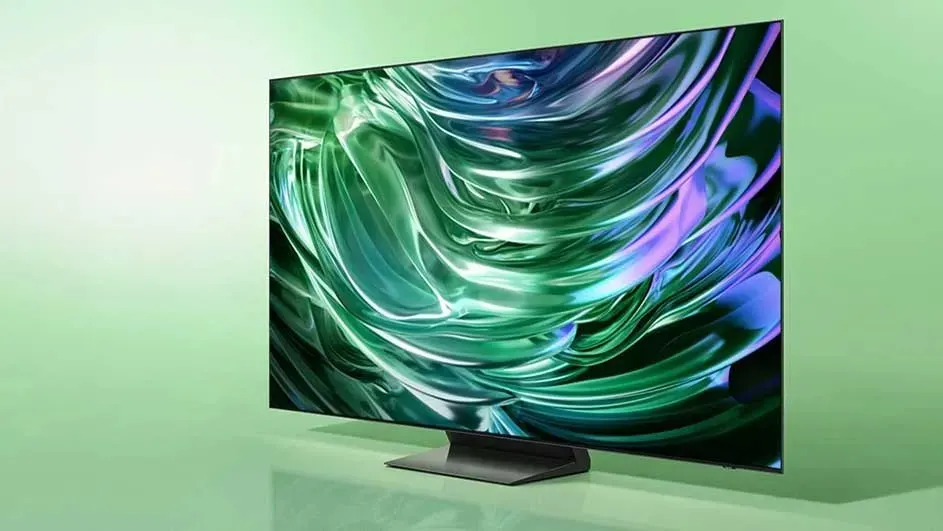
A modern Samsung TV stands on a green background, displaying an abstract image with green and purple glossy effects on the screen.

The benefits of OLED

These are the main advantages of a television with an OLED screen:

  • A great contrast between dark and light images.
  • Deep black levels.
  • A wide viewing angle.
  • A thin screen (due to the absence of backlight).
  • Smooth, clear images.
  • Superior image quality when combined with 4K or 8K and HDR.

A woman sits on a light sofa watching a TV showing a group of friends around a campfire. No brand is visible on the television.

The disadvantages of OLED

While OLED TVs offer many advantages, there are also some disadvantages to consider:

  • Possible risk of burn-in in the event of a static image (especially in older models).
  • Less bright than QLED, especially in very bright rooms.
  • Could be a little more sensitive to reflections due to the glossy screen.

What is a QLED TV?

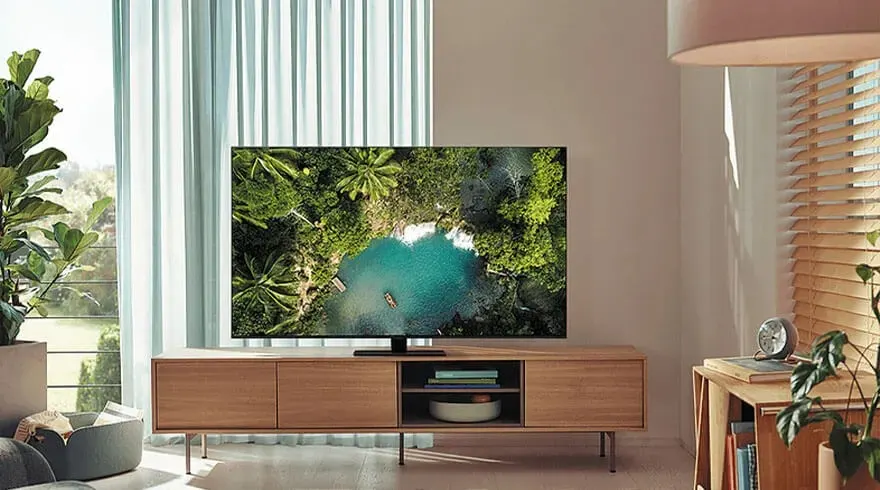
A Samsung TV displays a vivid image of a tropical lake surrounded by green trees in a stylish, bright living room with wooden furniture.

The term QLED was made by Samsung. A QLED TV is equipped with backlighting. The pixels of the screen are illuminated via a layer of nanocrystals, or Quantum Dots, that sits between the TV screen and the backlight. The nanocrystals filter the light that falls on the pixels and that translates into a larger colour range with lifelike colours and more nuances. Just like an OLED TV, a QLED TV always supports images in 4K or 8K resolution, so you can enjoy razor-sharp picture quality here too. All QLED televisions are also equipped with HDR, so you also get a wider range of contrast.

More about QLED-tv’s
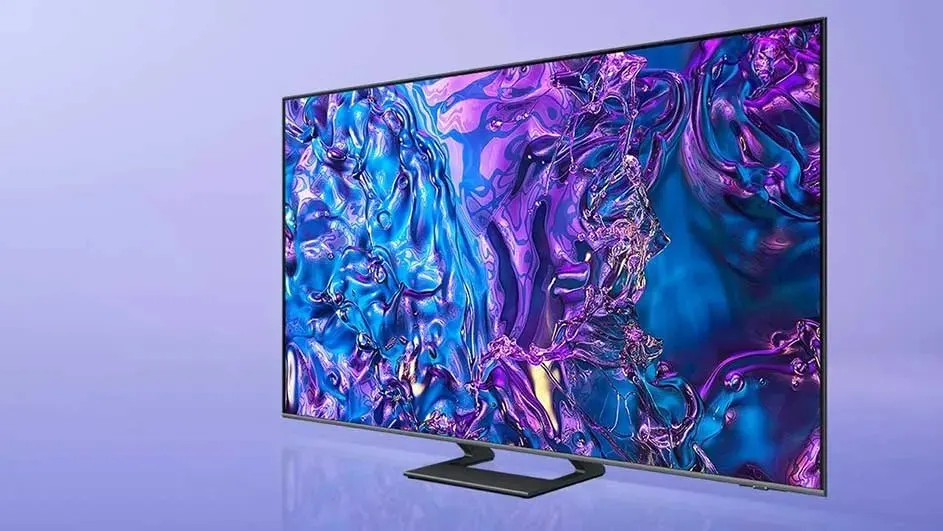
A modern Samsung TV stands on a purple background, displaying an abstract image with glossy blue and purple effects on the screen.

The benefits of QLED

Here are the main advantages of a QLED screen:

  • A wide spectrum of colours.
  • High peak brightness, even in bright sunlight.
  • Good resistance to light reflection.
  • No image retention (long images shown do not burn in).
  • Smooth, clear images.
  • Superior image quality when combined with 4K or 8K and HDR.

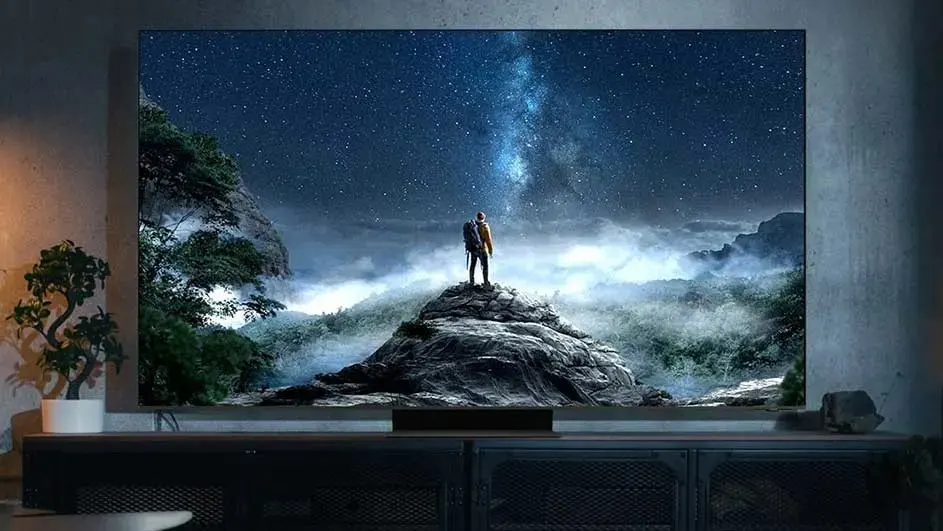
A Samsung TV displays two people on a mountain peak under a bright starry sky, surrounded by misty trees and mountains in a dark room.

The disadvantages of QLED

QLED TVs also have some disadvantages in addition to their numerous advantages:

  • No deep blacks because the backlight is always on.
  • Limited viewing angle: colours and contrast may change when you look at an angle.
  • Slightly thicker screen due to the backlight.

Is OLED or QLED developing better?

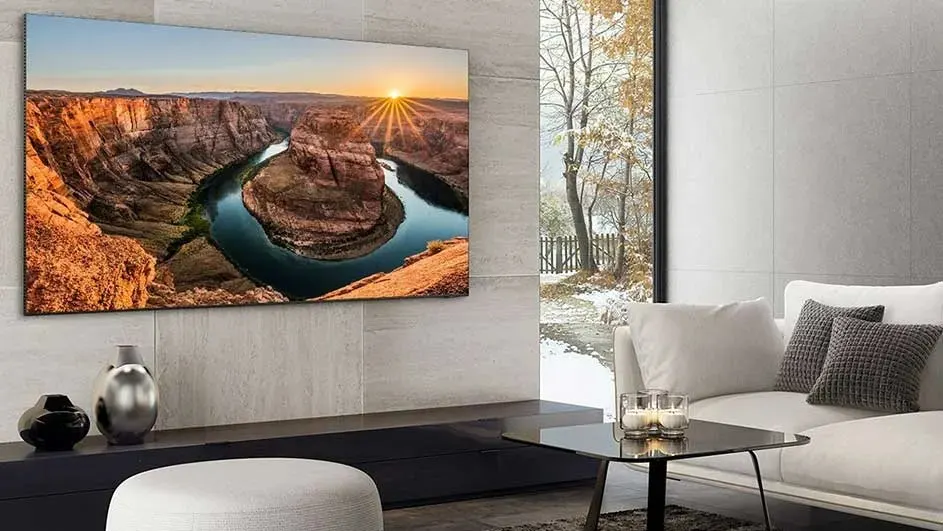
A Samsung TV is mounted on the wall, displaying a stunning canyon river at sunset, in a modern, bright living room with minimalist decor.

Both OLED and QLED TVs are getting better, each focusing on their own strengths. OLED TVs continue to excel at deep black levels and get a brighter, more vivid picture thanks to new techniques such as QD-OLED. QLED TVs score mainly with their extra high brightness and are less bothered by reflections, which is indispensable in brightly lit rooms. Both technologies are becoming more energy-efficient and better at image processing.

QLED vs OLED: differences at a glance

Property nameOLEDQLED
Imaging technology

Self-illuminating pixels

LCD with quantum dot filter and backlight

Contrast

Exceptionally deep blacks, high contrast

Good contrast, but less deep blacks

Colour

Very natural and nuanced

Vivid, bright colours with large colour volume

Brightness

Good, but less than QLED

Very high, ideal for brightly lit rooms

Viewing angle

Wide: low colour and contrast loss

Narrow: colours may fade at angled viewing angle

Screen width

Very thin as there is no backlight

Slightly thicker due to the backlight

Image retention

Possible (risk of burn-in)

Not present

Energy consumption

Medium to high

Generally more economical

Our advice on OLED and QLED

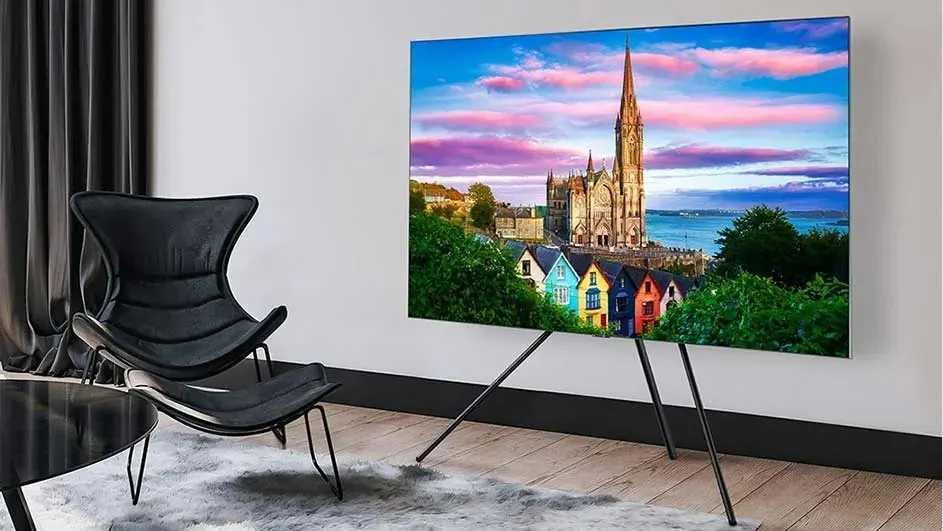
A Samsung TV on a stand displays a colourful city and cathedral at sunset in a modern, minimalist living room.

Whether you choose a QLED TV or a device with an OLED screen, you can count on excellent image quality. The best screen technology for you depends mainly on what you think is most important. Do you want the deepest black levels and subtle contrasts between light and dark? Then an OLED TV is a great choice. If you find bright colours and nuanced colour shades more important, then you better go for a QLED TV. Whatever you decide, combined with 4K or 8K resolution and High Dynamic Range images, you'll enjoy a high-quality viewing experience.

How to choose a TV that suits you

FAQs

These articles may also be interesting for you