MM logo white 1
MM logo red
Image description is not available

What is hertz (Hz)?

Anouk10 MAY 2026
A TV displays a spaceship game with blue space background. The TV sits on a white stand in front of a blue wall.

Hertz is a value that indicates a TV’s frame rate or refresh rate. Still not any wiser? No worries: on this page we explain what hertz is. We’ll also tell you how the number of hertz affects your TV’s picture quality and what to look out for based on your viewing needs.

Your TV’s refresh rate: what is it?

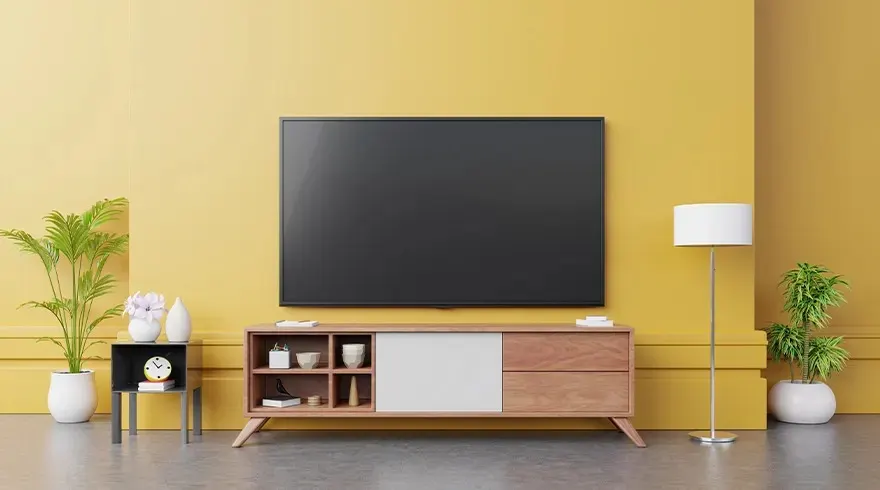
A living room scene with a large television above a wooden cabinet. Plants flank a lamp and a side table against a yellow wall.

A TV’s frame rate or refresh rate indicates how many images or frames the TV shows per second. If you put all those separate frames one after another, you get moving video. The more frames per second a TV displays, the smoother the picture and the more detail you can see on screen. That means the refresh rate can affect the quality of your viewing experience. A TV’s refresh rate is expressed in hertz – abbreviated to Hz. So, when choosing a new TV, it’s best to check how many hertz the set has.

Choose your TV
How many hertz do you need for a sharp picture?

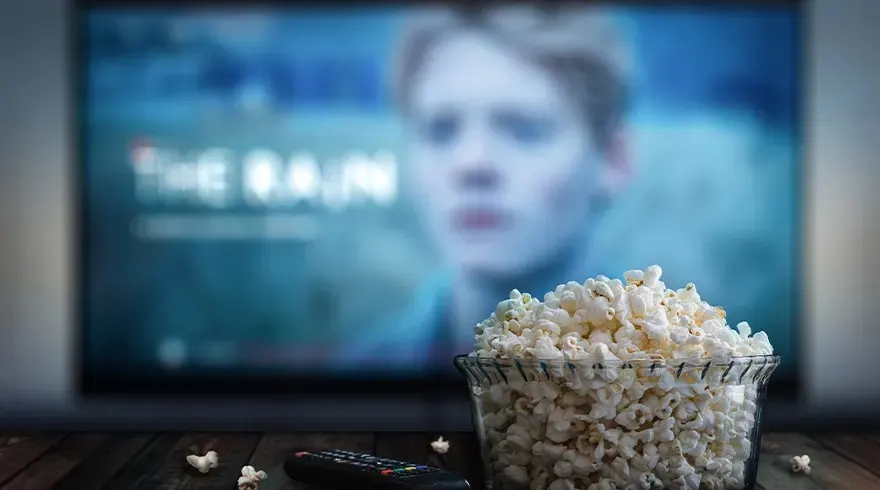
A bowl of popcorn and a remote sit on a table in front of a TV screen showing "The Rain".

Most TVs have a refresh rate of 50 or 100 hertz. A TV with a refresh rate of 50 Hz displays 50 separate frames per second, while 100 hertz stands for 100 images per second. With a 50-Hz TV, you’ll already enjoy beautifully smooth, sharp and detailed pictures when watching TV. For many viewers, 50 hertz is therefore more than enough. Still, a 100 hertz TV (or higher) may be a better choice if you like action films or series with lots of movement. The images will look that bit smoother, for extra viewing pleasure.

Is the difference between 50 and 100 Hz noticeable?

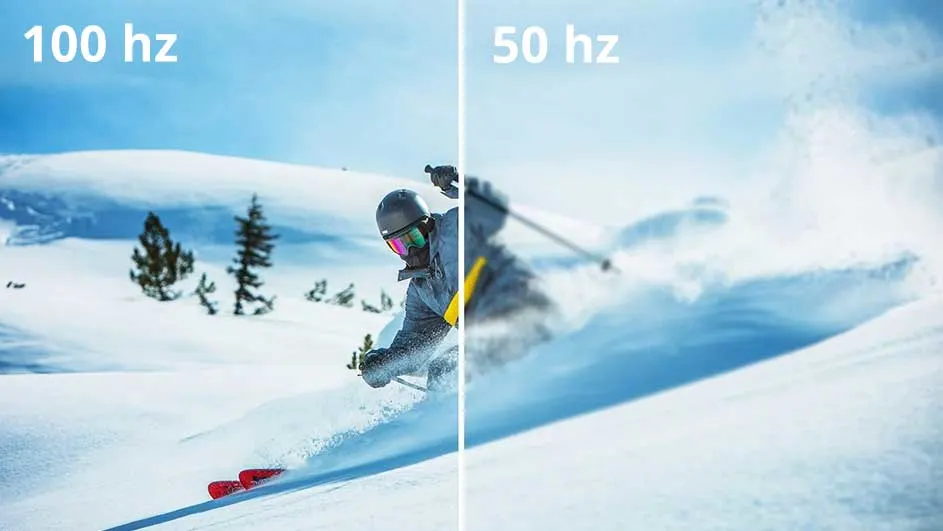
Split screen shows a skier on a snowy slope, labeled '100 hz' on the left, clearer, and '50 hz' on the right, more blurred.

For most people, a 50 hertz TV is enough, because that refresh rate is already perfectly fine for showing sharp images when you’re watching films or series. With a sitcom, talk show or quiz programme, you’ll hardly notice the difference between 50 and 100 Hz. The difference is mainly noticeable during fast-moving scenes – think of a sports match, an action film or a race. A TV with a higher refresh rate of 100 hertz shows twice as many frames per second, making the images blend together even more smoothly. So, for gaming too, a TV with 100 Hz or more is a better choice.

Is a higher refresh rate always better?

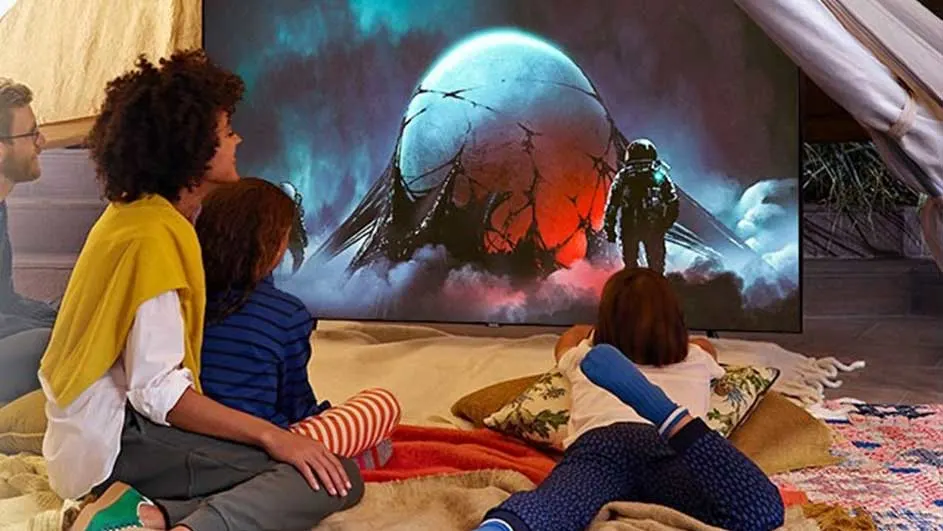
A group watches a large screen showing an astronaut near a cracked dome under a cloudy sky, indoors.

The higher the TV’s refresh rate, the smoother the picture and the sharper the details. If the refresh rate is too low, you’ll get a jerky image that’s unpleasant to watch. So, a refresh rate of 100 hertz is always better than 50 hertz. After all, the higher the refresh rate, the more comfortably you can watch your favourite films and series. A high refresh rate is also an advantage for gamers: a TV with 100 Hz or more is perfectly suited to displaying fast, hectic visuals smoothly.

How many Hz do you need for gaming?

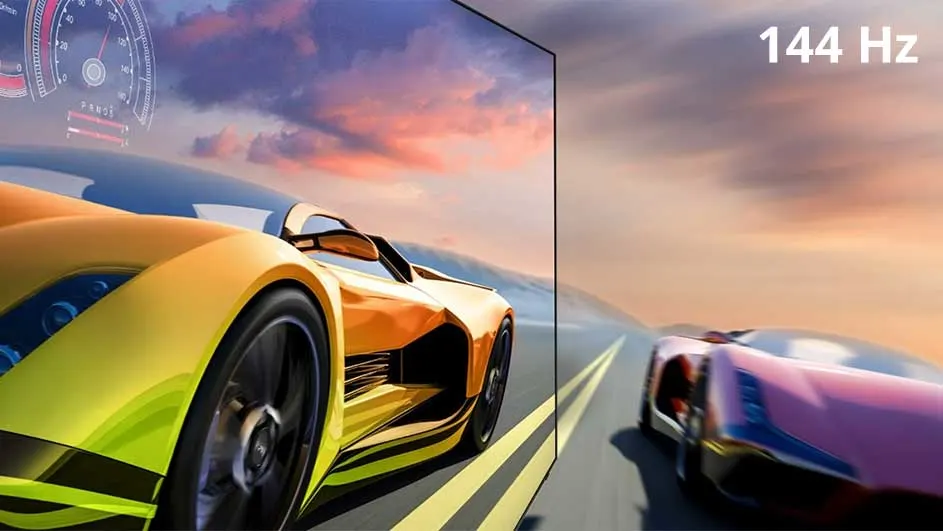
The image shows a yellow sports car on a road with a speedometer graphic, next to a TV screen displaying a similar scene with a pink car. "144 Hz" is visible.

If you’re a true gamer, it’s best to get a TV with a high refresh rate. With 100 Hz you already get smooth playback of fast action scenes in your games, but you can also find gaming TVs with 120 or even 144 hertz. Shooters and games with lots of visual effects – such as explosions, chases and races – benefit especially from a high refresh rate. On top of that, you can react faster yourself and use that advantage to win games more easily. When choosing a gaming TV, do make sure your games console supports TVs with a minimum of 100 hertz

The best gaming TVs

What should you pay attention to when buying a TV?

View from behind of a sofa, blanket, remote control and TV with stand in a room with a table and chairs visible in the background.

Of course, the number of hertz isn’t the only thing to consider when choosing a new TV. Other specs that can influence your choice include the TV’s screen size, the type of screen (OLED or QLED, for example) and picture quality. These days you can buy TVs with a 4K or 8K resolution in Ultra HD. Sound quality and the device’s smart features are also important, especially if you want access to online apps, games and streaming services. Finally, your budget also plays a role, because a TV with the very latest technologies costs more than a simpler model.

The best TVs

These articles may also be interesting for you